

The successful River Niger crossing on the OB3 Gas Pipeline by NNPC Limited is more than just a technical milestone—it is a defining signal of Nigeria’s evolving energy strategy and its long-standing ambition to build a truly integrated gas economy.
For years, Nigeria’s gas narrative has been constrained not by resource scarcity but by infrastructure deficits, policy inconsistencies, and execution delays. The completion of this critical segment by the NNPC Gas Infrastructure Company (NGIC) begins to chip away at those structural weaknesses. By successfully drilling beneath the River Niger—one of the most technically challenging corridors in the country—the project demonstrates a growing institutional capacity to deliver complex, high-stakes infrastructure.
At its core, the OB3 pipeline is not just another gas project; it is the backbone of a national energy integration plan. With a capacity of 2 billion standard cubic feet per day, it bridges the long-standing divide between eastern gas reserves and western demand centres, while also linking into the northern corridor through the AKK pipeline. In practical terms, this means Nigeria is inching closer to resolving one of its most persistent contradictions: abundant gas reserves coexisting with chronic energy shortages.
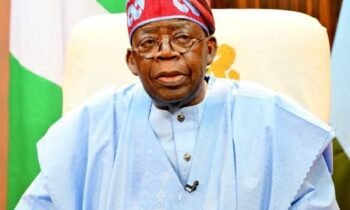
However, the implications go beyond engineering success. The project aligns closely with the Federal Government’s broader “gas-to-prosperity” agenda under Bola Ahmed Tinubu, which seeks to reposition gas as the transition fuel for industrialisation, power generation, and export growth. If effectively leveraged, the OB3 pipeline could unlock new industrial clusters, stabilise electricity supply, and reduce the country’s dependence on more expensive and polluting energy sources.
Yet, optimism must be tempered with realism. Nigeria’s history is littered with infrastructure breakthroughs that failed to translate into tangible economic benefits for citizens. The real test of the OB3 pipeline will not be in its completion but in its utilisation. Will the increased gas supply actually reach power plants consistently? Will industries benefit from stable and affordable energy? Or will bottlenecks—ranging from regulatory inefficiencies to vandalism and commercial disputes—undermine its potential?
There is also the question of governance and sustainability. While Bashir Bayo Ojulari rightly frames the project as evidence of “disciplined execution,” maintaining that discipline across the entire gas value chain remains a far bigger challenge. Infrastructure without accountability risks becoming another underperforming asset in a system that has often struggled with transparency and efficiency.
Still, the strategic significance of the OB3 milestone cannot be ignored. By physically interconnecting Nigeria’s gas networks, the project lays the groundwork for a more resilient and flexible energy system—one capable of supporting domestic needs while positioning the country as a key supplier in regional and global gas markets.
Ultimately, the River Niger crossing is both a technical triumph and a policy opportunity. It shows what is possible when execution aligns with ambition. But whether it becomes a catalyst for real economic transformation—or just another impressive statistic—will depend on what Nigeria does next.