


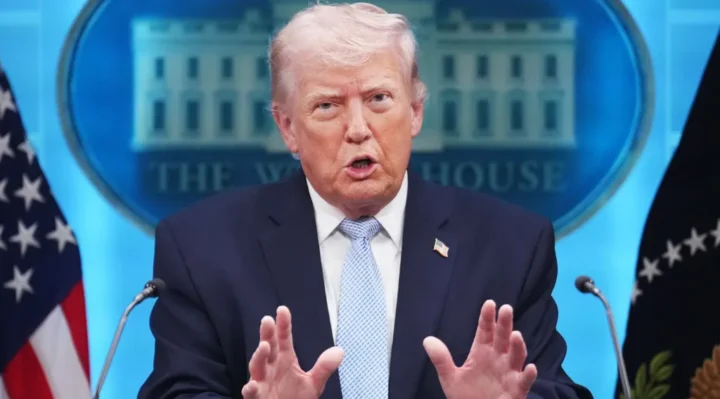


The potential deal would lift constrictions on the Strait of Hormuz and start a 60-day negotiation period on Iran’s nuclear program, sources said.
Here’s the latest
- Potential deal: A tentative agreement has been reached between the US and Iran to open the Strait of Hormuz and start nuclear talks, according to US officials — though President Donald Trump has not signed off on it yet.
- Fresh strikes: US Central Command confirmed that Iran fired a ballistic missile toward Kuwait overnight, which was intercepted. Iran’s Islamic Revolutionary Guard Corps earlier said it launched an attack targeting an American air base, claiming it was the source of US strikes. According to a US official, those strikes targeted Iranian drones and a launch site around the Strait of Hormuz.
- In Lebanon: Israel targeted a commander in the missile unit of Iran-backed Hezbollah, according to an Israeli source, in the first strike in Beirut in weeks. Dozens of people were killed in Israeli strikes on Wednesday, according to Lebanon’s Health Ministry, and Israel’s military has issued fresh evacuation warnings for more cities in southern Lebanon.
Bessent says US-Iran deal hinges on “what the president wants to do”
Treasury Secretary Scott Bessent said Thursday that a potential US deal with Iran will hinge on whether President Donald Trump decides to support it.
“Everything depends on what the president wants to do,” he said during a White House press briefing. “And President Trump is not going to make a bad deal for the American people.”
According to CNN, Bessent declined to confirm details of the tentative agreement reached between the administration and Iran, which could extend the ceasefire and set the Strait of Hormuz on a path toward reopening.
But he insisted that any deal would need to meet Trump’s demands that Iran turn over its highly enriched uranium and commit not to pursue a nuclear weapon, in addition to allowing free navigation through the strait.
Bessent also downplayed suggestions that the US could lift sanctions on Iran as part of an eventual deal, telling reporters that “I would think things would go very slowly in terms of that.”
“It is a multifaceted agreement and nothing is going to be on the table until we see the Strait of Hormuz open and the Iranians agree that they have to turn over the highly enriched uranium, and that they can’t have a nuclear program,” he said.
Oman has assured US it won’t toll Strait of Hormuz, Bessent says
US Treasury Secretary Scott Bessent speaks during a press conference in the Brady Press Briefing Room at the White House on May 28 in Washington, DC.
US Treasury Secretary Scott Bessent speaks during a press conference in the Brady Press Briefing Room at the White House on May 28 in Washington, DC. Win McNamee/Getty Images
Treasury Secretary Scott Bessent said Thursday that he received assurances from Oman that it does not plan to toll the Strait of Hormuz.
“I had a call with the Omani ambassador this morning, and he assured me that there were no plans for tolling the strait,” Bessent told reporters at a White House briefing.
“As he said, our countries have had 200 years of good relations. He wants to have another 200 more, and, you know, I told him that this was a non-starter, and he did not want to risk either the Omani individuals or Omani financial institutions getting sanctioned,” Bessent said.
Earlier Thursday, Bessent had threatened Treasury action against Oman if it supported Iran in tolling the strait. And on Wednesday, President Donald Trump warned Oman not to interfere with the critical oil thoroughfare, saying, “Oman will behave just like everybody else or we’ll have to blow them up.”
Asked about Trump’s comments, Bessent said Thursday that “the president wanted to punctuate freedom of navigation in the strait.”
Source: CNN