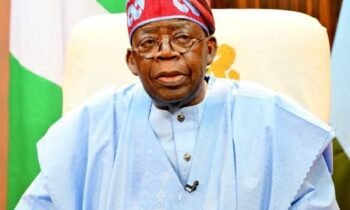


President Bola Tinubu has assured global investors that Nigeria’s young and technology-savvy population is ready to compete in the digital economy, as payment technology giant Mastercard unveiled plans to provide digital skills training to five million Nigerian businesses.
Speaking during a meeting with Mastercard’s Chief Executive Officer, Michael Miebach, at the Presidential Villa in Abuja on Tuesday, Tinubu said ongoing economic reforms were repositioning Africa’s largest economy for greater participation in global markets while creating opportunities for youth employment, entrepreneurship and digital innovation.
The President highlighted Nigeria’s youthful demographic profile as a strategic advantage, describing the country’s growing workforce as adaptable, entrepreneurial and increasingly equipped to integrate into the global digital economy.
“The most important asset is our youth,” Tinubu said, adding that the government would continue to support initiatives that expand digital skills, financial inclusion and technology adoption among small businesses.
Mastercard Expands Commitment to Nigeria’s Digital Economy
Mastercard announced plans to deepen its engagement in Nigeria through a three-year programme aimed at helping millions of small and medium-sized enterprises (SMEs) build digital capabilities, strengthen cybersecurity awareness and access modern payment systems.
Miebach said the company sees significant opportunities in Nigeria following the government’s fiscal and monetary reforms, noting that Mastercard has operated in the country since 2011 and remains committed to supporting economic growth.
According to him, Mastercard currently helps prevent approximately $200 million in fraud annually in Nigeria while facilitating about $2 billion in foreign exchange inflows through its payment ecosystem.
The company also plans to leverage its digital platforms and cybersecurity infrastructure to support SME growth, improve financial inclusion and strengthen participation in Africa’s rapidly expanding digital economy.
“We recognise the moment that we are in,” Miebach said. “There is a lot of momentum in Nigeria, and we want to help unlock the potential of the country’s 40 million SMEs while connecting the Nigerian diaspora more effectively with the domestic economy.”
Reforms Drive Formalisation of Small Businesses
Nigeria’s Minister of Finance and Coordinating Minister of the Economy, Taiwo Oyedele, said recent economic reforms are accelerating the formalisation of businesses and creating new opportunities for digital payments, lending and entrepreneurship.
He disclosed that more than 10,000 informal businesses have been applying for registration daily in recent months, reflecting growing confidence in government efforts to simplify taxation and business processes.
Oyedele said the administration is also expanding access to credit through initiatives covering mortgages, consumer lending, student loans, vehicle financing and small-business credit, creating new opportunities for financial institutions and technology providers.
He added that Nigeria remains Africa’s leading fintech hub, accounting for five of the continent’s nine fintech unicorns.
The discussions also centred on expanding digital payment infrastructure, improving SME access to formal financial services and promoting intra-African trade through technology-driven payment solutions.
Tinubu welcomed Mastercard’s plans to collaborate with institutions such as the Bank of Industry to improve access to digital tools and financial services for micro, small and medium-sized enterprises.
Analysts view the partnership as aligning with Nigeria’s broader strategy of leveraging technology, financial inclusion and private-sector investment to diversify economic growth and create jobs for its rapidly expanding population.
The proposed digital skills programme is expected to support millions of entrepreneurs as Nigeria accelerates efforts to build a more inclusive and digitally connected economy.