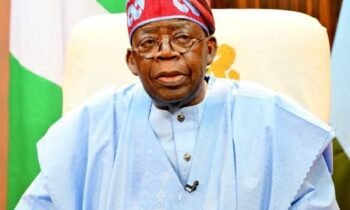


The Federal Government has approved sweeping reductions and waivers on import duties covering mass transit buses, electric vehicles (EVs), and key manufacturing inputs, in a bid to cushion rising living costs and stabilise the economy.
The move follows a directive by President Bola Ahmed Tinubu, who tasked economic managers with developing measures to mitigate the impact of the ongoing Middle East crisis on Nigerians, particularly amid surging fuel prices.
Details of the policy were disclosed in a post on X by Dada Olusegun, Special Assistant to the President on Social Media, who described the initiative as part of a broader fiscal strategy to tame inflation, support businesses, and improve consumer purchasing power.
According to him, the administration approved a wide range of duty reductions aimed at lowering costs across critical sectors of the economy.
Under the new regime, import duties on electric vehicles have been cut from 5 per cent to zero, while mass transit buses now enjoy full duty exemption, also reduced from 5 per cent to zero, to promote affordable public transportation and cleaner mobility options.
Similarly, duties on manufacturing machinery have been scrapped, dropping from 5 per cent to zero, in a move designed to reduce production costs and stimulate industrial growth.
Other adjustments include a reduction in duties on raw cane sugar from 70 per cent to between 55 and 57.5 per cent, while crude palm oil tariffs were lowered from 35 per cent to 28.75 per cent.
In the transport and food segments, passenger vehicle import duties were cut from 70 per cent to 40 per cent. Tariffs on bulk rice were reduced from 70 per cent to 47.5 per cent, while duties on broken rice fell sharply to 30 per cent.
The industrial and construction sectors also received relief, with import duties on steel sheets and coils reduced from 45 per cent to 35 per cent, and glazed ceramic tiles adjusted from 55 per cent to 46.25 per cent.
To ensure a smooth rollout, the government introduced a 90-day transition window effective from April 1, allowing markets to adjust gradually and avoid price shocks.
The policy intervention comes against the backdrop of heightened global energy volatility triggered by the ongoing Israel–US–Iran conflict, which has disrupted crude oil flows through the Strait of Hormuz — a critical route accounting for roughly 20 per cent of global supply.
The crisis has driven up shipping and insurance costs worldwide, with oil prices initially surging to about $120 per barrel before easing to below $95 following a temporary ceasefire on April 8.
However, tensions escalated again after U.S. President Donald Trump ordered a naval blockade of vessels entering and leaving the Strait of Hormuz after the collapse of renewed peace talks.
The development triggered another spike in global oil prices, with Brent crude climbing above $102 per barrel and West Texas Intermediate (WTI) reaching $104.16 per barrel as of April 13, underscoring the urgency of domestic measures to shield Nigeria’s economy