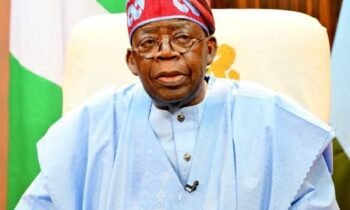


Nigeria’s Senate is expected to debate and vote on a constitutional amendment bill seeking to establish state police services, marking a potentially historic shift in the country’s security architecture as President Bola Tinubu intensifies efforts to address rising insecurity through decentralised policing.
The proposed Constitution Alteration Bill, formally transmitted to the National Assembly by Tinubu, would create a legal framework for state police to operate alongside the federal Nigeria Police Force. The legislation is widely viewed as one of the most significant security reforms since Nigeria’s return to democratic rule.
The debate comes amid growing pressure from state governors, security experts and community leaders who argue that a centralised policing system has struggled to respond effectively to terrorism, banditry, kidnapping and other violent crimes across the country.
According to The Punch, the Senate President Godswill Akpabio urged lawmakers to ensure full attendance for the vote, describing the proposal as a transformative reform capable of reshaping Nigeria’s security framework and strengthening grassroots security management.
“This is the first time since independence that Nigeria is seriously considering decentralising policing,” Akpabio said, noting that constitutional amendments require broad legislative participation.
Security Experts Divided on Governors’ Powers
While there is broad support for state policing, retired military and police chiefs remain divided over the extent of authority governors should wield under the new structure.
Retired Brigadier General Peter Aro argued that state police should be treated as a strategic security reform rather than a political initiative. He said state governments should have significant operational powers over intelligence gathering, investigations and community policing, while remaining subject to constitutional safeguards.
According to Aro, decentralised policing could improve intelligence collection, surveillance capabilities and coordination between federal and state security agencies, enabling faster responses to emerging threats.
Retired Assistant Inspector-General of Police Ali Amodu also backed substantial gubernatorial involvement, arguing that states funding and maintaining police services should naturally have a major role in their administration.
He acknowledged concerns about political interference but maintained that Nigeria’s worsening security challenges require urgent reforms rather than prolonged debate.
Concerns Over Abuse and Oversight
Other security stakeholders have called for stronger checks and balances to prevent misuse of state police by political authorities.
Retired Assistant Inspector-General of Police Wilson Inalegwu warned that granting excessive powers to governors could undermine democratic accountability. He stressed that state police should operate within clearly defined legal frameworks and be subject to independent oversight institutions similar to existing federal policing bodies.
Inalegwu argued that crimes crossing state boundaries—including cybercrime, human trafficking, kidnapping and organised criminal activities—should remain under federal jurisdiction.
Similarly, retired Commodore Omatseye Nesiama advocated the establishment of independent state-level commissions to advise governors on police administration, policy development and operational oversight.
He said decentralised policing could significantly improve intelligence gathering and response times by reducing bureaucratic delays that often hamper security operations under the current centralised system.
Governors Seek Greater Security Authority
The push for state police has received strong backing from the Nigeria Governors’ Forum, whose members are seeking greater constitutional authority over security operations within their states, as well as guaranteed funding mechanisms for the proposed police services.
A recent strategic meeting involving state attorneys-general, legal experts and security officials examined key issues including operational powers, personnel management, funding structures and oversight mechanisms.
Supporters argue that state-controlled police forces would improve local intelligence gathering, deepen community trust and allow quicker responses to security threats. Critics, however, continue to warn about political interference and the financial burden of maintaining separate police structures across Nigeria’s 36 states.
Constitutional Hurdles Remain
Despite growing momentum, the proposal still faces significant constitutional hurdles.
To become law, the amendment must secure the support of at least two-thirds of members in both chambers of the National Assembly and subsequently gain approval from at least 24 of Nigeria’s 36 state Houses of Assembly before being presented to the President for assent.
Senate Leader Opeyemi Bamidele stressed the importance of achieving the required quorum, describing the bill as a national issue that transcends political and regional interests.
A Defining Moment for Nigeria’s Security Architecture
If approved, the legislation would represent the most extensive restructuring of Nigeria’s policing system since independence, shifting the country from a fully centralised model toward a more decentralised, community-focused security framework.
The outcome of the Senate’s deliberations is expected to be closely watched by investors, businesses and international observers, as improved security remains a critical factor in Nigeria’s economic growth, investment climate and social stability.
With insecurity continuing to weigh on business activity and development across several regions, supporters believe the state police proposal could become a pivotal reform in strengthening governance and restoring public confidence in law enforcement.
Source: The Punch Newspaper