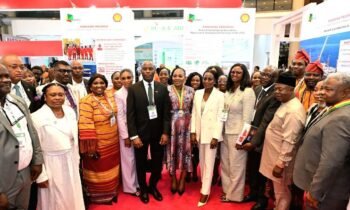


Through domestic gas supply and investment in African entrepreneurs, Heirs Energies connects energy production with business growth and economic opportunity.
Capital enables an entrepreneur to buy equipment, develop a product or open a factory. Electricity helps turn that investment into production, sales and income. Businesses need both to grow.
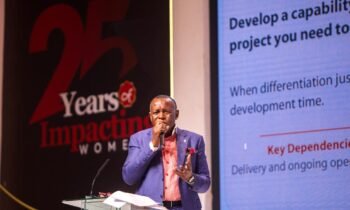
Heirs Energies’ investment in energy and enterprise gives practical expression to the message delivered by Tony O. Elumelu, CFR, Founder and Group Chair of Heirs Holdings, at the 25th WIMBIZ Annual Conference in Lagos on 6 November: African capital must do more to finance enterprise, and women must have greater opportunities to shape the continent’s economy.
Through its core operations and partnership with the Tony Elumelu Foundation, the company is helping address these priorities.
From domestic gas to productive enterprise
As operator of OML 17, Heirs Energies supplies gas into Nigeria’s domestic market, enabling 450MW of electricity generation for homes, businesses and industries.
That contribution extends beyond the energy sector. For a manufacturer, electricity keeps machinery running and orders moving. For a food business, refrigeration protects stock and income. For a service provider, power sustains the equipment and systems needed to serve customers.
Unreliable electricity leaves equipment underused, raises operating costs and makes expansion harder. Gas supplied for domestic power generation therefore supports a fundamental requirement for enterprise: the ability to operate productively.
By serving this market, Heirs Energies connects the development of Nigerian natural resources to economic activity within the country, helping businesses create more value from their investments.
Capital for the next generation of businesses
Alongside its energy operations, Heirs Energies has committed over US$10 million to support 2,000 African entrepreneurs across two programme cycles through the Tony Elumelu Foundation. Women
account for 48% of beneficiaries, giving the commitment particular relevance to the WIMBIZ call for greater economic participation.
The programme combines seed capital with business training and mentorship. Funding helps entrepreneurs bring products and services to market, while training strengthens decisions about pricing, cash flow, customers and growth.
This investment extends the company’s contribution directly to business owners, helping them develop enterprises capable of generating income, creating employment and supporting local supply chains.
- Women shaping strategic industries
The WIMBIZ conversation also addressed who leads the institutions that make major investment decisions.
In his keynote, Elumelu highlighted Dr Awele Elumelu’s chairmanship of Heirs Energies as an example of women leading strategic African businesses.
Her chairmanship places a woman at the forefront of corporate governance in a sector whose decisions influence energy supply, industrial development and national economic performance. It reinforces the importance of women having the authority to shape investment and business direction, alongside opportunities to establish enterprises of their own.
Putting Africapitalism to work
Heirs Energies’ approach reflects Africapitalism: long-term private sector investment that creates commercial value and wider economic prosperity.
Its contribution is embedded in decisions about where resources are developed, where gas is supplied and whose entrepreneurial potential receives backing.
The measure of that investment reaches beyond production volumes and funding commitments to what they make possible: businesses fulfilling orders, entrepreneurs employing people and communities gaining stronger sources of income.