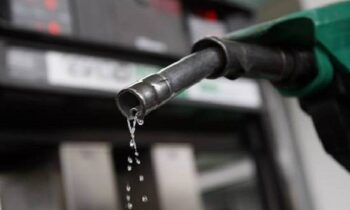


In a decisive move aimed at ensuring uninterrupted fuel availability nationwide, Dangote Petroleum Refinery and NNPC Limited have formalised a renewed strategic partnership designed to stabilise petroleum supply, strengthen domestic refining, and accelerate Nigeria’s industrial transformation.
The commitment followed a high-level visit by NNPC’s leadership to the Dangote Refinery and Petrochemicals complex in Ibeju-Lekki, Lagos, where both organisations agreed to move beyond past frictions and align around shared national objectives.
Guaranteeing Fuel Stability for Nigerians
President of Dangote Group, Alhaji Aliko Dangote, described the collaboration as central to the refinery’s founding ambition of eliminating fuel scarcity and positioning Nigeria as a refining powerhouse.
He emphasised that closer integration between both entities would ensure economies of scale, improved operational efficiency, and supply stability for Nigerian consumers.
NNPC Limited currently holds a 7.25 per cent equity stake in the refinery on behalf of Nigerians — an investment regarded as strategic to the country’s downstream growth and energy security agenda.
Refinery Surpasses Design Capacity
During the facility tour, NNPC’s Group Chief Executive Officer, Engr. Bashir Bayo Ojulari, commended the refinery’s operational performance, revealing that it was producing 661,000 barrels per day — above its 650,000 barrels-per-day nameplate capacity.
He described the achievement as a demonstration of world-class technology and operational discipline, noting that the plant represents a significant leap forward for Nigeria’s refining capabilities.
According to Ojulari, the partnership will focus on identifying practical opportunities across refining, trading, logistics, and supply chain integration, with both parties set to establish a joint working framework to guide implementation.
Building an Integrated Industrial Hub
Dangote disclosed that the refinery complex is expanding into a fully integrated industrial hub, including a 400,000 metric tonne Linear Alkyl Benzene (LAB) facility — projected to exceed Africa’s current production capacity.
He stressed that the future of refining lies beyond fuel production, with petrochemicals offering higher value margins and stronger foreign exchange potential. By prioritising domestic processing of crude and raw materials, he argued, Nigeria can retain more value within its economy and reduce exposure to import dependence.
A New Era of Collaboration
Ojulari signalled a shift in approach, pledging transparency, operational excellence, and a departure from what he termed the sector’s “unproductive past.” He described Dangote Group and NNPC Limited as strategically important national champions whose collaboration could redefine Nigeria’s energy landscape.
“Collaboration does not mean mediocrity,” he said, noting that both institutions are committed to honest engagement and measurable outcomes that prioritise national interest.
Toward Structured Implementation
Both organisations agreed to outline priority areas of cooperation in the coming weeks, with a view to formalising a structured execution roadmap.
The strengthened alliance is expected to enhance fuel distribution efficiency, safeguard consistent supply, reduce foreign exchange pressures from imports, and deepen Nigeria’s industrial base — signalling a coordinated push toward long-term energy sufficiency and economic resilience.