

Nigeria Spotlight Some Of The Remarkable Achievements And Key Developments Within Our Petroleum Sector At NIES 2025
An address delivered by Senator Heineken Lokpobiri Minister of State for Petroleum Resources (OIL) At The Opening Ceremony of the Nigerian International International Energy summit NIES() 2025
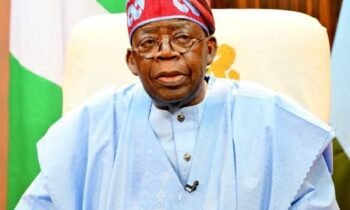
Your Excellency, President Bola Ahmed Tinubu, President of the Federal Republic of Nigeria, Commander-in-Chief of the Armed Forces, and my amiable boss. (smile)
Distinguished global ministers, esteemed captains of industries, leaders of international oil and gas organisations, ambassadors, heads of mission, oil and gas professionals and honoured guests.
It is a privilege and a profound responsibility to welcome you to this year’s Nigerian International Energy Summit. This gathering is not just another conference but a powerful declaration of our commitment to leveraging Africa’s enormous energy potential to meet global energy demands while driving sustainable growth across the continent.
The theme of this year’s summit, “Bridging Continents: Connecting Investors Worldwide with Africa’s Energy Potential,” proves the pivotal role that Africa, and indeed Nigeria, plays in shaping the future of global energy. The theme highlights the critical need to bridge geographical, economic, and technological gaps to unlock Africa’s energy potential.
It signifies the importance of connecting global investors to opportunities within Africa’s vast energy landscape. This theme is timely, as the world faces an urgent need to diversify energy sources, ensure energy security and foster collaboration in meeting global demand.
For Nigeria, this summit represents an opportunity to demonstrate our leadership in driving energy solutions that benefit the continent and contribute to the stability of the global energy market.
Distinguished Ladies and gentlemen, as the largest oil producer in Africa and a key player in the global energy market, Nigeria has remained unwavering in her commitment to energy development. Over the past two years, the oil industry in Nigeria has undergone significant transformation marked by historic milestones and progressive reforms aimed at ensuring energy security, enhancing domestic refining capacity, attracting investments, and optimising revenue generation.
Permit me to spotlight some of the remarkable achievements and key developments within our petroleum sector.
We have witnessed an increase in oil production, which, for the first time in years, we met our OPEC quota, and if you add condensates, we are currently producing approximately 1.8 million barrels per day. While this marks significant progress from where we began, the efforts of this administration recognise that we are still far from where we aspire to be.
We have also witnessed the successful granting of ministerial consent for several significant acquisitions of international oil company (IOC) assets by indigenous companies.
Oando Petroleum and Natural Gas Company Limited secured approval to acquire a full equity stake in Nigerian Agip Oil Company (NAOC) from Italy’s ENI. Chappal Energies, through its project vehicle Odinmim, obtained consent to acquire Equinor Nigeria’s assets, including an interest in OML 128 and a stake in the Agbami Oil Field operated by Chevron. Additionally, Seplat Energy received ministerial approval and finalized its acquisition of Mobil Producing Nigeria Unlimited (MPNU), a subsidiary of ExxonMobil.
All these transactions had faced significant setbacks before our administration. However, under the decisive leadership of His Excellency President Bola Ahmed Tinubu, we have successfully completed them, thereby expanding the footprint of indigenous players in our oil and gas sector. So far, their increasing production levels are already signalling a promising future. These approvals and acquisitions signify a strategic shift, with indigenous companies increasingly taking over assets from IOCs to enhance local participation and boost production in Nigeria’s oil and gas industry.
Since our last meeting in 2024, some major investments have been made by operators in the petroleum sector. One notable example is the final investment decision by Shell Nigeria Limited to invest 5 Billion Dollars in Bonga North.
I can assure you that in the coming months, we will witness even more groundbreaking announcements. (take a short pause)
You can all agree that Africa’s unleveraged oil and gas reserves are ripe for exploration. In Nigeria, significant strides have been made to attract investment in exploration and production. We have begun the process of another bid round to redistribute fallow fields. Let me use this opportunity to invite you to participate in the bid round when it is launched. However, I will emphasise that the era of holding onto wells without going to work is over. We are enforcing the drill or drop rule stipulated in the Petroleum Industry Act (PIA). So, this invitation is for those who can get them to work.
Permit me at this juncture to say that it would not have been possible without the investment-friendly policies of His Excellency President Bola Ahmed Tinubu led Government, whose executive order has reduced contracting cycles, implemented sustainable practices that promote regulatory transparency and improved investors’ confidence, provided better fiscals and other incentives that have once again made the Nigerian Petroleum industry; the leading investment destination in Africa.
Consequently, this administration has prioritised critical infrastructure projects to enhance crude oil transportation, reduce bottlenecks, and increase evacuation capacity. Similarly, collaborative efforts have been made to address pipeline security issues, ensuring that crude oil theft and vandalism are significantly reduced.
These efforts have already yielded positive results, with production levels rising steadily. Our ambitious target is to increase production to 3 million barrels per day before the end of 2025, thus ensuring greater revenue generation and a more secure energy sector.
Ladies and gentlemen, undisputably, Africa’s reliance on fuel imports underlines the urgent need for refining capacity. This past year, Nigeria has completely deregulated the downstream sector. The rehabilitation of our state-owned refineries and the operationalisation of private-owned refineries, including modular refineries, is our resolve to strengthen our downstream capabilities and meet Nigeria’s domestic demand while exporting refined products to global markets. This addresses fuel scarcity, creates thousands of jobs, and stimulates local industries, making Nigeria a refining hub for Africa.
We have also deliberately engaged with host communities in line with the PIA, which provides for host communities’ initiatives. It has been heartwarming to hear from industry players that they now have better relations with their host communities. More efforts are being targeted to address specific concerns of the host communities, as the sustainability of these communities is as important as the production of oil and gas.
Similarly, in order to promote local participation in the industry, this administration has empowered the Nigerian Content Development and Monitoring Board (NCDMB) to launch initiatives that ensures that investments translate into jobs, skills transfer, and economic empowerment.
As we reflect on these milestones, we acknowledge that we must continue to enforce safer and cleaner processes in our sector, recognising the need for economic growth and development alongside environmental sustainability.
At the same time, we must bridge the financing gap left by these international players due to the energy transition for critical energy projects. This is where one of the most transformative initiatives poised to redefine the energy financing landscape in Africa comes in – the establishment of the African Energy Bank. The African Energy Bank championed through the partnership of the African Petroleum Producers Organization (APPO) and the African Export-Import Bank (Afreximbank), will enable African nations to set their agenda for energy development, ensuring that the continent’s resources are used to benefit its people. The energy market in Africa is vast and sufficient to cater for our energy needs. Therefore, this bank will position the continent to unlock its full energy potential, strengthen regional integration by pooling resources and expertise, attract global investors by providing clarity and stability in financing and operate as a pan-African institution that reflects the collective energy aspirations of the continent.
Therefore, we—I mean all African industry players—must unite as a unified voice. This will strengthen Africa’s bargaining power and ensure better terms in trade agreements and project negotiations.
We, as Nigerians, are proud of this initiative and are excited to serve as hosts and lead the advocacy of Africa-led solutions to Africa’s energy challenges.
Conclusion:
In light of everything, the Nigeria International Energy Summit provides a valuable platform for collaboration, dialogue, and strategic partnerships. I invite all investors, policymakers, and industry stakeholders to explore the vast opportunities within Nigeria’s petroleum sector.
Together, we can bridge continents, unlock Africa’s energy potential, and shape a sustainable energy future.
Thank you all for your presence and participation. I look forward to productive engagements and meaningful collaborations that will drive the growth and prosperity of our industry.
Thank you again, and God bless the Federal Republic of Nigeria.