




Revision 2 introduces clearer rules for gas measurement, nominations and transportation as Nigeria seeks to improve market efficiency and expand gas infrastructure.
The Nigerian Midstream and Downstream Petroleum Regulatory Authority (NMDPRA) has unveiled Revision 2 of the Nigerian Gas Transportation Network Code, introducing updated rules aimed at improving gas transportation, reducing network imbalances and strengthening investor confidence in Nigeria’s gas market.
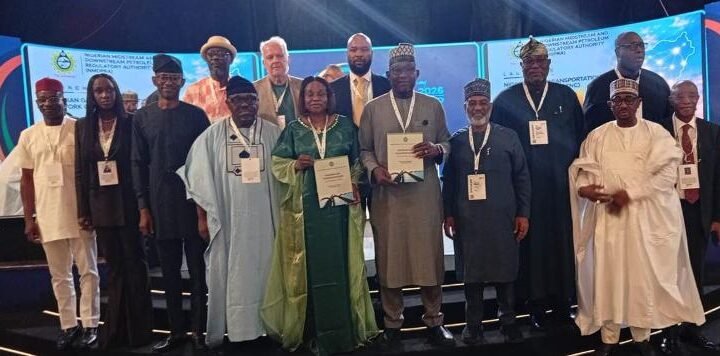
The Authority Chief Executive, Rabiu Umar, announced the revised code on Monday at the 20th edition of OTL Africa Downstream Energy Week 2026 in Lagos.
Umar said the updated framework would establish clearer requirements for gas measurement, nominations and transportation, helping to improve transparency, coordination and operational efficiency among participants using Nigeria’s gas transportation network.
He disclosed that participation in the network had increased since the introduction of Revision 1, while imbalances on the western gas network had declined by 30 per cent.
According to him, the progress demonstrates the importance of effective regulation in improving network performance and supporting the development of a more efficient and commercially viable gas market.
The introduction of Revision 2 comes as Nigeria seeks to expand natural gas utilisation across electricity generation, manufacturing, transportation and other industrial activities.
Revised gas code targets greater market efficiency
The Nigerian Gas Transportation Network Code provides a framework governing access to and the use of gas transportation infrastructure by market participants.
The latest revision is intended to strengthen the rules governing gas flows and coordination among network users, with clearer procedures for measuring gas volumes, submitting transportation nominations and managing deliveries through the network.
Improved transparency and more predictable operating arrangements can help reduce disputes, support better capacity planning and make it easier for gas suppliers and buyers to coordinate deliveries.
The reported 30 per cent reduction in imbalances on the western gas network since Revision 1 also points to the potential operational benefits of a more structured transportation framework.
For investors, the effectiveness of the revised code will depend on consistent implementation, reliable infrastructure and the ability of network operators to provide predictable transportation services.
Presidential adviser highlights need for gas investment
Olu Verheijen, Special Adviser to the President on Energy (Oil and Gas), said natural gas remained central to Nigeria’s power generation, industrial development and transportation priorities.
Represented by Eriye Onagoruwa, team lead in the Office of the Special Adviser to the President on Energy, Verheijen emphasised the importance of regulatory certainty in attracting the capital required to develop gas infrastructure.
She said predictable regulations would support investment in transportation networks and encourage wider gas utilisation across the economy.
The investment challenge extends beyond production to pipelines, processing facilities and other infrastructure needed to move gas from producing fields to power plants, industrial consumers and distribution networks.
Without adequate transportation capacity and reliable delivery arrangements, increased gas production may not translate into sufficient supplies for domestic industries and electricity generation.
NNPC calls for infrastructure development and regional cooperation
Mumuni Dagazau, Executive Vice-President, Downstream, Nigerian National Petroleum Company Limited (NNPC Ltd.), said investment in gas infrastructure was essential to developing Nigeria’s energy value chain.
He called for stronger coordination among industry participants and greater regional cooperation to support energy market integration and cross-border gas trade.
Improved regional connections could create opportunities for producers, infrastructure operators and industrial consumers while strengthening the movement of energy supplies across African markets.
For Nigeria, which is seeking to expand its role in Africa’s energy industry, effective gas transportation systems will be important to converting its substantial gas resources into commercial and industrial value.
OTL Africa highlights infrastructure and energy trade
Tunji Oyebanji, Chairman of the OTL Africa Downstream Advisory Board, said infrastructure development and efficient logistics were critical to strengthening Africa’s downstream energy markets.
He added that commercial partnerships among African countries could expand energy trade and unlock investment opportunities across the region.
The discussions reflect the broader challenge facing African energy markets: ensuring that investment in energy production is matched by the infrastructure, regulatory frameworks and commercial arrangements needed to deliver reliable supplies to consumers.
The 2026 edition of OTL Africa Downstream Energy Week, themed “Secure Energy, Shared Prosperity,” brings together regulators, policymakers, operators and investors to examine developments and investment opportunities in Africa’s downstream energy industry.
As Nigeria seeks to deepen gas utilisation and strengthen its position in regional energy markets, the implementation of Revision 2 of the Nigerian Gas Transportation Network Code will be an important test of the country’s ability to improve transportation efficiency, provide regulatory certainty and facilitate greater commercial participation in it