




Niger Delta Power Holding Company Expands into Renewables, Targets Industrial Hubs to Stabilise Supply – MD
The Managing Director and Chief Executive Officer of the Niger Delta Power Holding Company (NDPHC), Engr. Jennifer Adighije, has unveiled a strategic shift aimed at strengthening electricity reliability through renewable energy investments and direct power solutions for industrial clusters across Nigeria.
Speaking during a television programme monitored in Lagos, Adighije said the company’s evolving operational model prioritises sustainability, efficiency, and targeted interventions to bridge persistent electricity supply gaps undermining industrial productivity.
Renewables to Complement Gas-Fired Assets
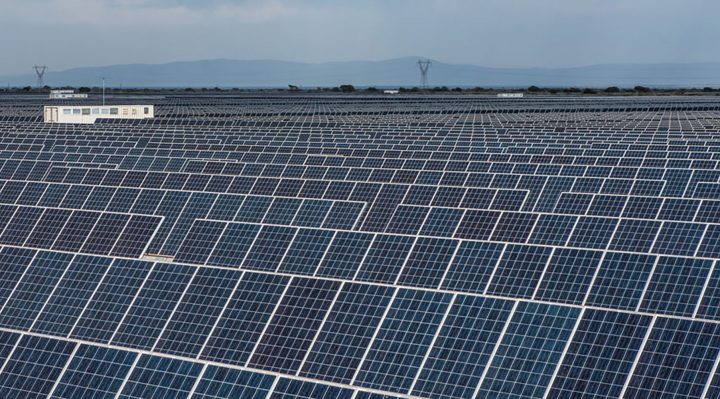
Adighije disclosed that NDPHC is gradually integrating cleaner energy sources — including solar and small hydro projects — into its portfolio to complement its existing gas-fired plants developed under the National Integrated Power Project (NIPP).
According to her, diversifying into renewables will enhance energy security, reduce vulnerability to gas supply disruptions, and strengthen resilience within Nigeria’s power sector.
As part of this plan, NDPHC is developing a pilot solar power project for industrial clusters in Kano State. The initiative is designed to provide dedicated electricity to manufacturing hubs, reduce reliance on diesel generation, lower production costs, and improve competitiveness for local industries. The Kano project is expected to serve as a model for similar interventions in other industrial corridors nationwide.
Direct Supply to High-Demand Clusters
The NDPHC boss also revealed that the company is exploring direct electricity supply arrangements with distribution companies (DisCos) and eligible customers under existing regulatory frameworks. The objective, she said, is to ensure that power generated by NDPHC plants is efficiently delivered to high-consumption areas where it can drive the greatest economic impact.
Under its flagship “Light Up Nigeria” initiative, the company plans to deploy embedded and independent power solutions to industrial clusters, markets, universities, commercial centres, and residential estates. The programme is projected to stimulate job creation, attract investment, and provide relief to small and medium-scale enterprises struggling with unreliable grid supply.
Strengthening Existing Assets
Providing an update on infrastructure development, Adighije noted that NDPHC has constructed 10 power plants across 10 states under the NIPP framework, with eight commissioned and six currently in commercial operation.
She stated that the company’s installed generation capacity stands at about 4,000 megawatts — nearly 30 per cent of Nigeria’s grid-connected capacity.
Within the past year, NDPHC reportedly recovered about 900 megawatts of previously idle generation capacity through plant optimisation, improved operational discipline, and predictive maintenance. The gains, she said, reflect a deliberate strategy to maximise existing assets before pursuing large-scale expansion.
In addition, the company recently retrieved 110 abandoned containers and 216 packages of critical power equipment worth millions of dollars from Nigerian ports after prolonged delays. The recovered components will be deployed to complete pending generation, transmission, and distribution projects, accelerating delivery timelines.
Structural Bottlenecks Persist
Despite operational progress, Adighije acknowledged enduring structural constraints within Nigeria’s electricity value chain. A major challenge, she explained, remains the mismatch between installed generation capacity and the transmission network’s ability to evacuate and distribute power efficiently.
Gas supply shortages also continue to affect thermal plants, with gas procurement accounting for nearly 60 per cent of generation companies’ operating costs. Liquidity issues further compound the problem, as only about 30 per cent of sector invoices are currently settled, placing financial pressure across the industry.
Call for Market Reforms
To restore financial sustainability, Adighije advocated the gradual implementation of cost-reflective tariffs and the separation of government subsidies from electricity pricing mechanisms. Establishing a commercially viable electricity market, she argued, is essential to rebuilding investor confidence and attracting long-term private capital.
She emphasised that consistent implementation of reforms under the Electricity Act 2023 would be critical to unlocking investments, strengthening infrastructure, and expanding electricity access across Nigeria’s growing economy.
Adighije expressed optimism that a combination of renewable energy investments, targeted industrial power solutions, infrastructure optimisation, and regulatory reforms would significantly enhance power reliability and accelerate industrialisation in the coming years.