




Nigeria’s ruling All Progressives Congress (APC) witnessed dramatic political upsets, consensus deals, and internal disputes during its nationwide senatorial primaries on Monday, highlighting intensifying power struggles ahead of the 2027 general elections.
The primaries produced major victories for influential political figures, including former Kogi State Governor Yahaya Bello, Imo State Governor Hope Uzodimma, and Ogun State Governor Dapo Abiodun, while several prominent politicians either lost out, withdrew, or were sidelined through consensus arrangements.
The exercise underscored growing internal realignments within the APC as the party positions itself for a fiercely contested 2027 electoral cycle.
Former Governors Suffer Political Blows
One of the most notable outcomes came in Imo State, where Governor Hope Uzodimma defeated former Governor Rochas Okorocha in the Imo West senatorial primary by a wide margin.
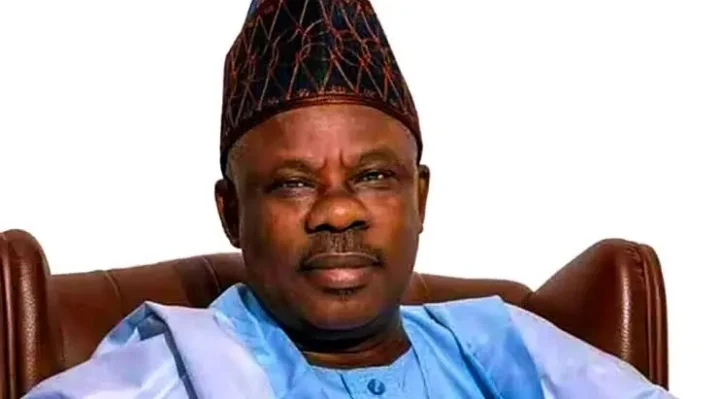
In Ogun State, former governors Gbenga Daniel and Ibikunle Amosun stayed away from the primaries amid reports of internal disagreements over consensus arrangements.
Daniel’s media team said he withdrew to avoid potential violence, while party insiders claimed Amosun was excluded from consultations that produced Senator Shuaib Salisu as the preferred candidate for Ogun Central.
Meanwhile, former Delta State Governor Ifeanyi Okowa secured the APC ticket for Delta North after defeating incumbent Senator Ned Nwoko in a decisive contest.
In Delta Central, Senator Ede Dafinone defeated former Deputy Senate President Ovie Omo-Agege in a closely watched primary, although Omo-Agege later disputed the outcome and declared himself winner.
Yahaya Bello Stages Political Comeback
Former Kogi State Governor Yahaya Bello emerged as one of the biggest winners of the exercise after clinching the APC senatorial ticket for Kogi Central with an overwhelming victory.
Bello polled 72,399 votes to defeat Ibrahim Yakubu Adoje and Momoh Obaro, marking a significant political comeback for the former governor.
Political observers say Bello’s return to frontline politics could reshape APC power dynamics in North Central Nigeria ahead of 2027.
Consensus Candidates Dominate Key States
Several APC heavyweights emerged through consensus or affirmation arrangements aimed at avoiding divisive contests within the ruling party.
Among those affirmed were Senate President Godswill Akpabio in Akwa Ibom North West, Senate Leader Opeyemi Bamidele in Ekiti Central, Senator Ali Ndume in Borno South, and former Senate President Ahmad Ibrahim Lawan in Yobe North.
In Lagos State, all three incumbent APC senators — Tokunbo Abiru, Wasiu Eshilokun-Sanni, and Idiat Adebule — also secured return tickets through consensus arrangements.
Party officials defended the strategy as necessary to preserve internal cohesion and minimise post-primary disputes ahead of the general elections.
Confusion, Disputes Trail Primaries
Despite efforts to project unity, several states recorded confusion and competing victory claims.
In Edo South, rival factions announced different winners after the primary, with Omoregie Ogbeide-Ihama officially declared winner while another camp named Pastor Osagie Ize-Iyamu as victor.
Senator Neda Imasuen rejected the process, alleging manipulation and accusing party officials of imposing a preferred aspirant.
Kwara State also witnessed late drama after reports emerged that Senator Saliu Mustapha had secured clearance to challenge Governor AbdulRahman AbdulRazaq, disrupting what had earlier appeared to be a smooth consensus arrangement.
In Rivers State, Senator Ipalibo Banigo-Harry protested her disqualification from the primaries, describing the decision as unfair and harmful to female political representation.
APC Faces Backlash Over Aspirant Disqualifications
The APC screening committee disqualified 44 senatorial aspirants nationwide before the primaries, triggering protests and allegations of political manipulation.
Among those initially affected was former senator and media entrepreneur Ben Murray-Bruce, whose name was later removed from the disqualification list without official explanation.
Several prominent politicians from Rivers, Oyo, Bayelsa, Plateau, Nasarawa, and Cross River states were also denied clearance.
The party’s National Publicity Secretary, Felix Morka, said the screening exercise was conducted to uphold transparency and integrity in the primary process.
Early Signs of 2027 Political Realignment
Analysts say the APC primaries have exposed widening internal rivalries, succession battles, and regional power negotiations within Nigeria’s ruling party.
The emergence of consensus candidates in some states and bitter contests in others reflects growing efforts by governors, party leaders, and influential blocs to consolidate control ahead of the 2027 elections.
With several high-profile politicians nursing grievances over disputed outcomes and disqualifications, the primaries are expected to shape political alliances and defections in the coming months.